Arcade readability
Arcade cabinets made the public room part of the experience. Read how quickly a game communicates when other players, limited time and a dedicated machine share the same space.
Read the competition featureThe Graded Gallery (Birmingham) publishes thoughtful features about retro games and gaming culture, moving beyond vague nostalgia to examine design choices, technology and play spaces.
Thoughtful reading on the games, hardware and play spaces that shaped gaming culture.
The archive keeps promotional language separate from documented games and the experience of play.
Explore the archiveA platform is more than a technical footnote. Arcade cabinets, the Nintendo Entertainment System and home computers created different settings for play, and those settings help explain why designers made different choices about access, rhythm and interaction.
Arcade cabinets made the public room part of the experience. Read how quickly a game communicates when other players, limited time and a dedicated machine share the same space.
Read the competition featureThe Nintendo Entertainment System offers a different lens for repetition, structure and the relationship between a game and the player returning to it.
Read the structure featureThe easiest way into retro game history is often a specific question rather than a period or a ranking.
Use Super Mario Bros. 3 to examine how structure, variety and pacing can teach a player what to expect next.
Open the routeUse Street Fighter II to look at spacing, round structure and the readable decisions that emerge in an arcade match.
Open the match noteUse Myst to consider how environmental detail, pause and exploration can make discovery feel like a form of reading.
Open the discovery noteThe editorial team names its subject, states its reading angle and separates established game detail from interpretation. That keeps the archive useful for enthusiasts and welcoming to readers who are starting with a question.

Read a feature for the named criterion it follows, then decide what the example helps you notice about games, technology and play spaces.
About the editorial approachRetro games are remembered through more than mechanics. These visual notes keep the physical setting in view without treating nostalgia as evidence.
 Physical layout changes attention
 Interfaces leave traces
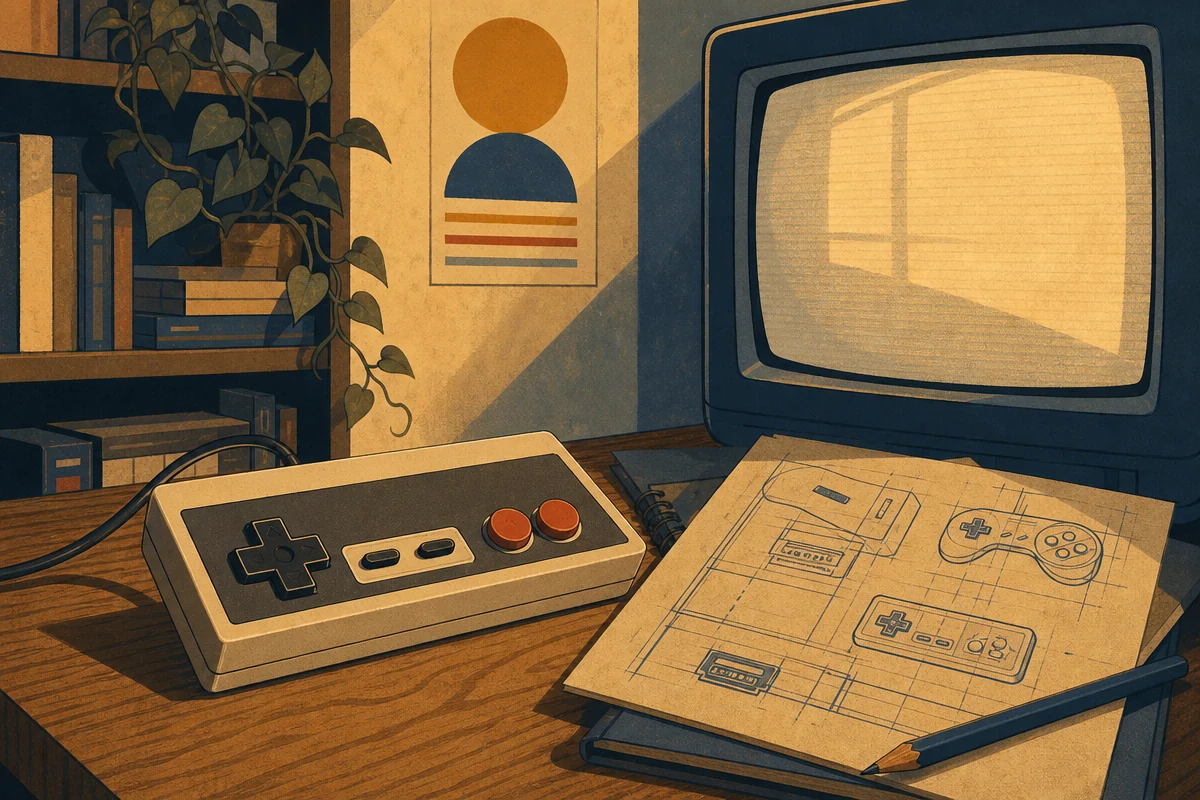 Play happens somewhere
The Graded Gallery (Birmingham) is written in the voice of an editorial team rather than a named author persona. Each feature starts with a clear subject, then makes its reading angle visible.
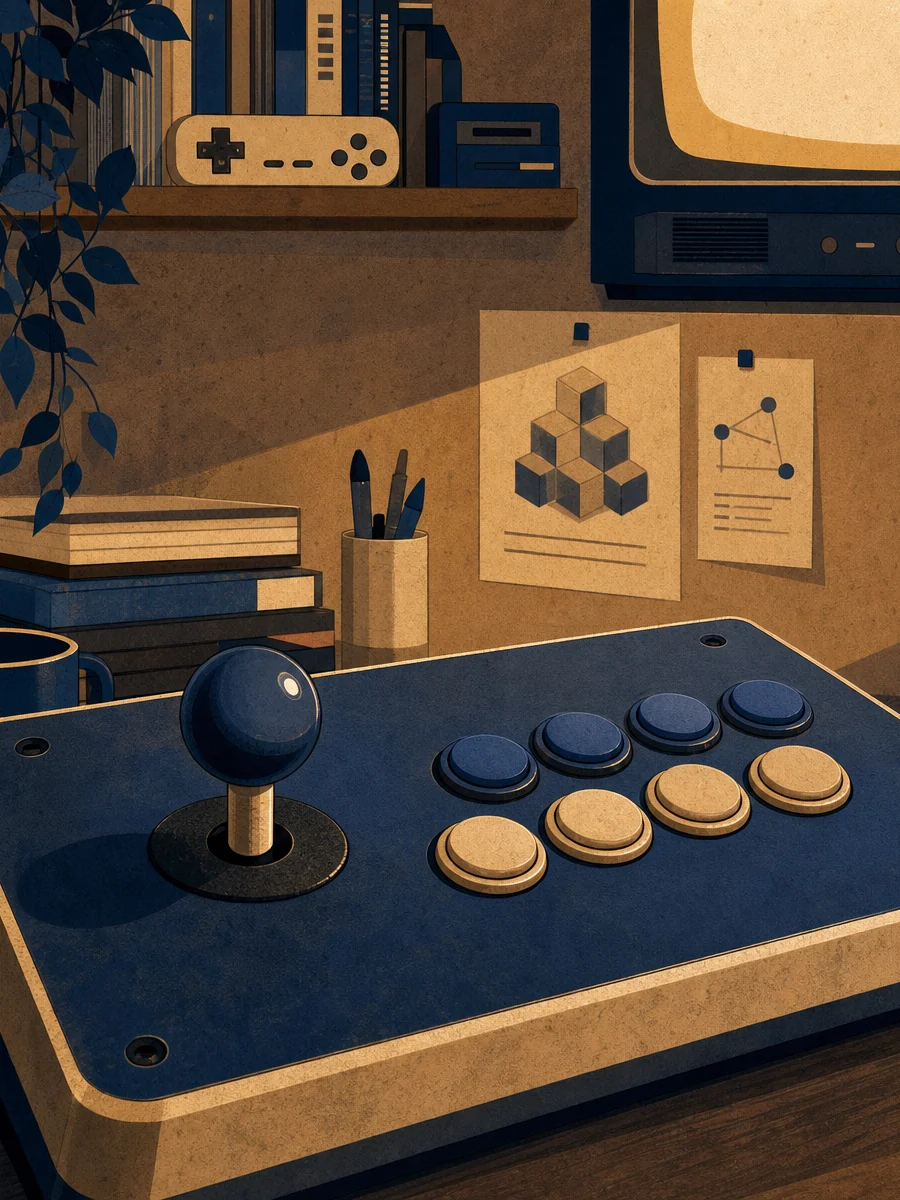
The publication compares control feel, pacing, readability, exploration and platform context without forcing different kinds of play into an unsupported ranking.
Meet the editorial deskHave a question about retro game history, game design, arcade and home-console culture, platform context, preservation or collecting? Share the subject and the part you would like to understand more clearly.